How to Select a High-Quality Leather Belt for a Business Formal Suit
Mar 6th 2026
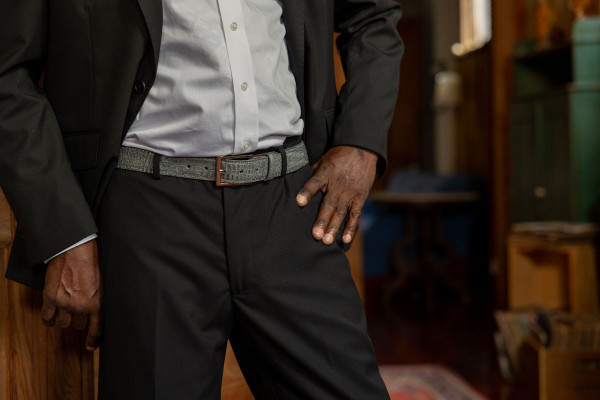
Choosing a high quality leather belt for a business formal suit comes down to three key factors: selecting full-grain or top-grain leather, matching the belt color closely to your dress shoes, and choosing a simple, appropriately sized buckle that complements formal tailoring. A well-made belt should also be about 1-1.25 inches wide and feature clean stitching and durable hardware.
Have you ever put on a well-tailored suit only to feel like something still looked slightly off? Often the missing element is one of the smallest but most visible formal suit accessories: the belt. Let's look at how leather type, craftsmanship, color coordination, and subtle design choices determine whether a belt simply holds your trousers up or truly completes a polished business look.
Understanding Leather Belt Quality and Materials
Leather belts may look similar at first glance, yet the materials and construction methods vary widely.
The first sign of strong leather belt quality is the type of leather used. Full-grain leather ranks at the top. It comes from the outer layer of the hide and keeps its natural grain.
That structure gives the belt strength and a rich surface that improves with wear. Top-grain leather comes next. It's slightly sanded to remove marks, yet it still offers durability and a smooth appearance.
Lower grades such as genuine leather or bonded leather often contain leftover fibers pressed together with adhesives. Belts made from those materials wear out faster and lose their shape.
Stitching and Edge Finishing Quality
Clean stitching shows careful workmanship. Straight, tight stitches help the belt hold its structure through years of use. Edges should feel smooth and sealed rather than rough or frayed. Burnished or painted edges protect the leather and give the belt a refined finish.
Vegetable Tanning and Natural Leather Texture
Many premium belt brands use vegetable-tanned leather. Natural plant extracts treat the hide during this process.
The result is firm leather with deep color and a subtle grain pattern. Chrome-tanned leather appears in many low-cost belts, yet it often lacks the same depth and character that define a high quality leather belt.
Matching a Belt With a Business Formal Suit
A belt should blend smoothly with the rest of a business outfit. Small details shape the overall appearance of formal clothing.
- Matching belt color to dress shoes
- Appropriate belt width for formal suits
- Coordinating buckle finish with other accessories
Matching Belt Color to Dress Shoes
Color coordination stands at the center of strong business attire tips. A belt should match the shade of your dress shoes as closely as possible. Black shoes pair best with a black belt. Dark brown shoes work with a similar brown belt.
Some professionals choose oxblood belts with burgundy or deep brown footwear. Close color matching keeps the outfit balanced and neat. When the belt and shoes share the same tone, the entire look feels more intentional.
Appropriate Belt Width
Width plays a large role in how a belt fits into formal suit accessories. Most business belts measure between one inch and one and a quarter inches wide.
That size fits standard suit belt loops and keeps the look refined. Wider belts often appear too casual for formal clothing. A slimmer profile sits neatly against suit trousers and maintains a clean line around the waist.
Coordinating Buckle Finish
Buckle hardware should work with other metal details in the outfit. Silver buckles pair well with stainless steel watches or silver cufflinks. Gold buckles match watches or jewelry with warm metal tones.
Simple buckles remain the best choice for luxury belt selection in formal settings. Clean shapes and smooth finishes keep attention on the suit rather than the belt.
Evaluating Craftsmanship and Longevity
Stitching reveals a lot about leather belt quality. Tight and evenly spaced stitches hold the layers of leather together and prevent separation over time.
Loose or uneven stitching often signals rushed manufacturing. A close look along the belt edges should show straight lines with no gaps. Strong thread and careful stitching help a belt keep its shape through repeated use.
Solid Brass or Stainless Steel Buckles
Hardware affects durability just as much as the leather itself. Solid brass or stainless steel buckles resist bending and corrosion. Lighter metals may scratch or weaken after regular wear.
Many premium belt brands choose heavier metals that maintain their finish over time. The buckle should feel balanced and secure when fastened.
Replaceable Buckle Designs and Construction
Some belts include removable buckles attached with screws or snaps. That design allows the buckle to be replaced without discarding the entire belt.
Interchangeable buckles support long-term use and give flexibility in style. A well-built belt from a thoughtful luxury belt selection can stay in rotation for many years with proper care.
Frequently Asked Questions
How Long Should A Quality Leather Belt Last?
A well-made belt can last many years with regular use. A high quality leather belt made from full-grain leather often stays in good condition for five to ten years or longer.
Lifespan depends on how often the belt is worn and how well it is cared for. Rotating between several belts reduces daily wear. Proper storage helps as well. Hanging the belt or laying it flat prevents deep bends that may weaken the leather over time.
Are Designer Belts Always Higher Quality Than Standard Brands?
Price and branding do not always reflect true craftsmanship. Some premium belt brands focus on marketing and logos rather than materials. Smaller leather makers often produce belts with stronger construction and better leather.
Careful luxury belt selection means examining the leather type, stitching, and hardware rather than relying on brand reputation alone. A well-made belt without a famous label can outperform many designer options.
Your Next High Quality Leather Belt
Investing in a high quality leather belt supports a refined look and helps complete a consistent set of formal suit accessories.
At Torino Leather Company, we combine traditional craftsmanship with modern luxury to create refined leather goods from our home in New Orleans. Our skilled artisans produce handmade belts and accessories using time-honored techniques and strict quality standards. Many team members have been with us since the beginning, which helps us maintain consistency, durability, and the timeless style that defines American luxury leather.
Get in touch today to find out how we can help with your next belt purchase!