Full Grain vs Top Grain: Which Leather Belt Lasts Longer?
Posted by News provided by Torino Leather Company on Dec 15th 2025
You've probably invested in a "premium" leather belt only to watch it crack and peel within a few years. The difference between full grain and top grain processing explains why some belts last decades while others fail quickly—and the answer might surprise you.
Key Takeaways
- Full grain leather belts typically outlast top grain belts, with lifespans of 5-20+ years compared to top grain's 3-10 year range
- The intact fiber structure in full grain leather prevents cracking and peeling that can affect processed top grain leather over time
- Natural patina development makes full grain belts more attractive with age, while top grain maintains a more uniform appearance
- Processing methods significantly impact durability - sanding removes the strongest layer in top grain leather
- Full grain leather may offer better long-term value despite higher upfront costs when considering 10-15 year ownership
When investing in a quality leather belt, the choice between full grain and top grain leather often comes down to longevity expectations. While both grades offer substantial durability, understanding their fundamental differences reveals why one consistently outperforms the other in long-term wear.
Full Grain Leather Belts Last 5-20+ Years
Full grain leather belts represent the pinnacle of durability in leather goods, with properly cared-for specimens lasting anywhere from 5 to 20 years or more. Some exceptional full grain belts can even achieve lifetime status, developing character and strength that actually improves with age. The secret lies in the untouched top layer of the animal hide, which retains all natural fibers and grain patterns that give the leather its inherent strength.
The longevity of full grain leather comes from its complete fiber structure remaining intact during the tanning process. Unlike other leather grades, no sanding or surface alteration occurs, preserving the dense, tightly-woven fibers that form the hide's natural armor. This preservation means the leather maintains its original tensile strength and flexibility, factors that matter for items experiencing daily stress like belts.
Premium leather craftsmen emphasize the importance of starting with full grain materials for creating belts that develop a rich patina while maintaining structural integrity over decades of use.
Why Full Grain Leather Outlasts Top Grain
Intact Fiber Structure Prevents Cracking
The fundamental advantage of full grain leather lies in its unaltered fiber structure. When leather retains its original top layer, the natural grain creates a protective barrier that resists cracking, peeling, and surface damage. These intact fibers interlock in a complex pattern that distributes stress evenly across the leather surface, preventing the formation of weak points that could lead to premature failure.
This natural architecture also allows the leather to breathe effectively, preventing moisture buildup that can cause deterioration from within. The unprocessed surface maintains its natural oils longer, contributing to flexibility that prevents the brittleness often associated with aged leather goods.
Natural Patina Development Adds Character Over Time
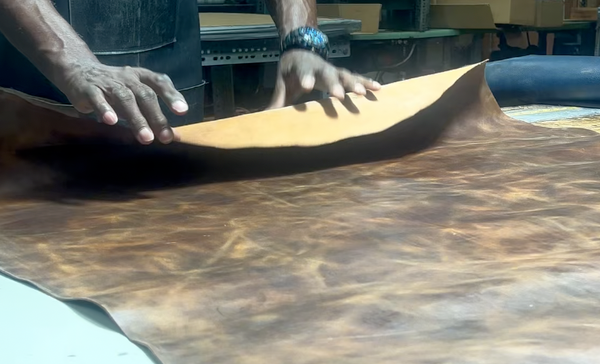
Full grain leather's ability to develop a rich patina sets it apart from processed alternatives. As natural oils migrate through the intact grain structure and daily handling adds character, the leather darkens and develops a sophisticated sheen that many consider the hallmark of quality leather goods. This patination process doesn't just improve appearance - it adds character and signifies quality craftsmanship.
The patina development occurs gradually and evenly across full grain surfaces, creating a unique appearance that reflects the belt's history of use. This aging process transforms a simple accessory into a personalized piece that grows more attractive with time, unlike other leather grades that may show wear as deterioration rather than character development.
Top Grain Processing Weakens Durability
Sanding Removes Strongest Leather Layer
Top grain leather undergoes surface sanding to remove natural imperfections and grain variations, but this process eliminates the strongest part of the hide. The tight fiber structure at the surface provides the majority of the leather's tensile strength, and its removal creates a fundamentally weaker material. While top grain leather can still achieve durability of 3-10 years with proper care, it lacks the inherent resilience of its full grain counterpart.
The sanding process exposes the looser fiber structure beneath the original surface, making the leather more susceptible to stretching, cracking, and general wear. This subsurface layer, while still functional, doesn't provide the same level of protection against daily stress and environmental factors that challenge leather belts.
Finish Coating Can Create Wear Points, But Offers Stain Resistance
Many top grain leathers receive finish coatings to improve appearance and provide stain resistance, but these treatments can create unexpected durability issues. The coating forms a barrier layer that may crack or peel over time, particularly at stress points like belt holes and buckle attachment areas. Once the finish begins to fail, it often creates an uneven appearance that detracts from the belt's overall aesthetic.
However, the finish coating does offer practical advantages, particularly for those concerned about spills and stains. The protective layer makes top grain leather easier to clean and maintain in the short term, though this benefit may diminish as the coating ages and potentially compromises the underlying leather.
What Proper Care Means for Each Type
1. Conditioning Frequency Differs Based on Finish
Full grain leather requires conditioning every 3-6 months to maintain its natural oils and flexibility, though this can vary based on usage and climate. The open pore structure of unfinished full grain leather readily accepts conditioning treatments, making maintenance straightforward but necessary. Top grain leather with finish coatings may need conditioning less frequently, as the coating can actually prevent conditioners from penetrating effectively.
Understanding the finish type becomes important for top grain leather care. Unfinished top grain leather follows similar conditioning schedules to full grain, while heavily finished versions may only need treatment annually or when the coating shows signs of wear.
2. Storage and Daily Wear Impact
Both leather types benefit from proper storage away from extreme temperatures and humidity, but full grain leather proves more forgiving of occasional neglect. Its intact fiber structure maintains flexibility longer without conditioning, while top grain leather may stiffen more quickly when proper storage conditions aren't maintained.
Daily wear patterns affect each type differently as well. Full grain leather adapts to the wearer's body shape more effectively, creating comfortable curves that improve fit over time. Top grain leather, while still moldable, may not conform as naturally due to its altered surface structure.
3. Break-in Period Expectations
Full grain leather typically requires a longer break-in period, sometimes taking several weeks of regular wear to achieve optimal comfort and flexibility. This initial stiffness reflects the leather's dense fiber structure and actually indicates quality rather than a defect. Top grain leather often feels more pliable immediately due to its processing, but this initial softness may not translate to long-term durability.
The break-in process for full grain leather creates lasting improvements in fit and comfort, while top grain leather may reach peak comfort more quickly but plateau in its development.
Price vs Value: The 10-15 Year Perspective
When evaluating leather belt investments over a 10-15 year timeline, full grain leather may demonstrate superior value despite typically higher upfront costs. While full grain leather has a higher initial price, its extended lifespan often makes it more cost-effective over a 10-15 year period compared to top grain alternatives. Additionally, the aesthetic improvement that comes with full grain patina development means the belt becomes more attractive over time, unlike top grain options that may simply show wear.
The replacement cycle also factors into long-term value considerations. While a full grain belt may cost 20-40% more initially, its extended lifespan often eliminates the need for replacement during the typical ownership period. Top grain belts, though still durable, may require replacement due to aesthetic concerns even when structurally sound, as finish coatings wear unevenly and create an aged appearance that many find less appealing than full grain patina.
Full grain leather goods from respected brands can retain value better than top grain options, though resale value depends on brand, condition, and market demand rather than being guaranteed.
Choose Full Grain for Maximum Belt Longevity
The evidence clearly supports full grain leather as the superior choice for those prioritizing longevity in their belt selection. The intact fiber structure, natural aging characteristics, and potential for 20+ year lifespans with proper care make full grain leather the definitive winner in any durability comparison. While top grain leather offers respectable performance and some practical advantages like stain resistance, it simply cannot match the long-term resilience and aesthetic development of its unprocessed counterpart.
For consumers seeking a belt that will improve with age while providing decades of reliable service, full grain leather represents the clear choice. The investment pays dividends through reduced replacement costs, superior aging characteristics, and the satisfaction of owning a product that grows more beautiful and comfortable over time.
Torino Leather Company specializes in crafting premium full grain leather belts https://torinoleather.com/calfskin/ designed to last decades while developing rich patina and character through daily wear.